
The author enjoys teaching The Odyssey but faces challenges engaging students. To combat this, they use a gamified approach, dividing students into teams that make decisions based on the text. This method promotes teamwork, critical thinking, and deeper understanding, transforming the poem into an exciting adventure and enhancing participation.
Tag Archives: learning
Transform Your Grading with Google Classroom Rubrics
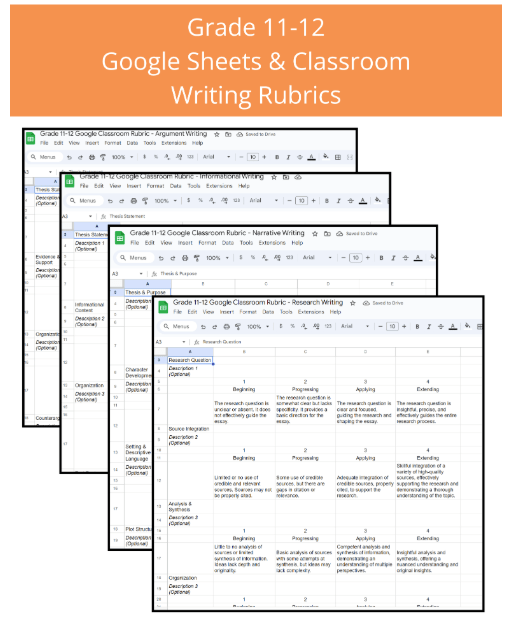
Grading is challenging for English teachers, often feeling overwhelming. However, using Google Classroom Rubrics has transformed this process, saving time and increasing efficiency. These digital, customizable tools clarify expectations, streamline feedback, and help teachers focus on engaging lessons. Embracing this approach creates a less stressful and more effective classroom environment.
From Classroom to Coach: My Journey into Instructional Coaching
After years of teaching high school English, I transitioned to instructional coaching for a broader impact. The Teacher Transition online course provided valuable insights and strategies. Despite challenges, the rewards of working with dedicated educators are immense. I encourage fellow educators to embrace instructional coaching and consider the Teacher Transition course for guidance and support.
What are we really teaching in high school?
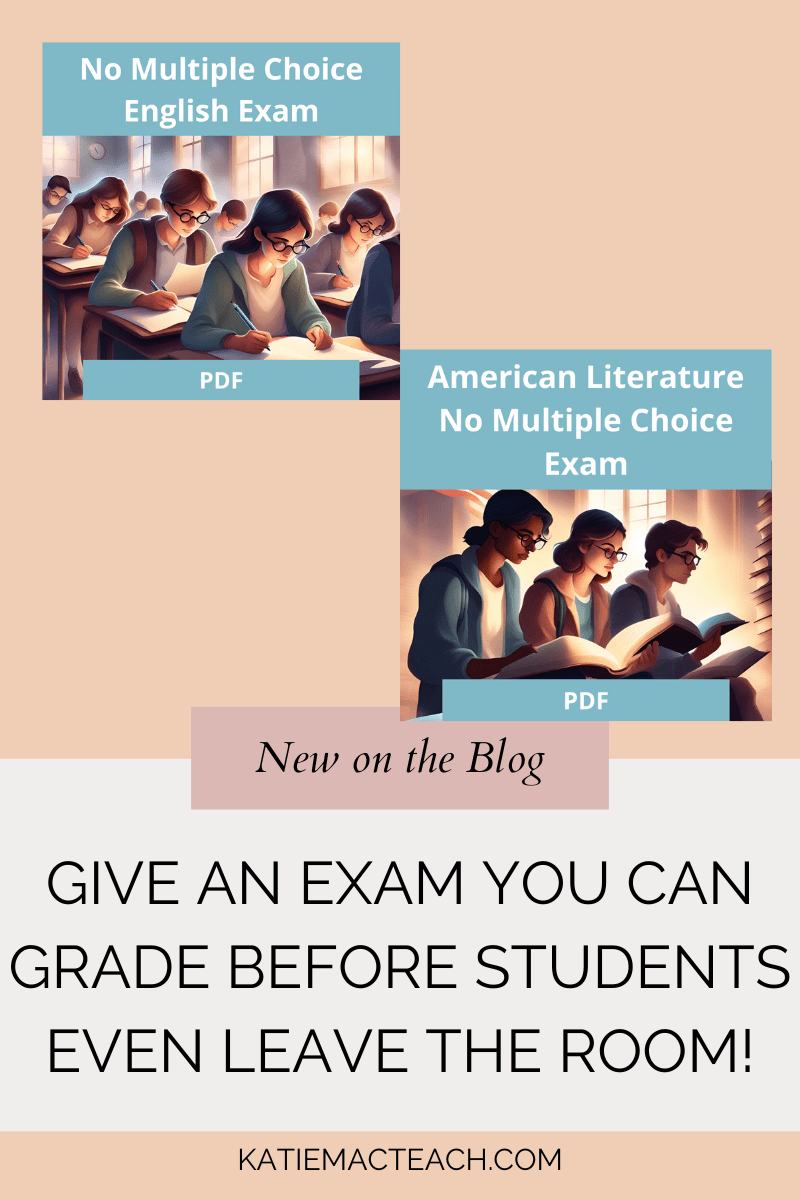
The Paul Simon song “Kodachrome” criticizes traditional education for teaching irrelevant material. The author, a teacher, shares the challenges of outdated vocabulary workbooks and inauthentic assessments. To address this, they introduce the “One Question Exam” requiring students to apply literature to a big question, incorporating vocabulary and grammatical concepts. This innovative approach assesses ELA standards and encourages creativity.
Simplifying Literary Analysis: Task Cards in High School English

Task cards are valuable tools for high school English classrooms, offering bite-sized prompts for literary analysis. They promote close reading, critical thinking, and collaboration. Teachers can use them for differentiated instruction and various classroom activities. By guiding students through literary analysis, task cards foster deep understanding and enhance overall literacy skills, making studying literature an engaging experience.
 KatieMacTeach