
The Paul Simon song “Kodachrome” criticizes traditional education for teaching irrelevant material. The author, a teacher, shares the challenges of outdated vocabulary workbooks and inauthentic assessments. To address this, they introduce the “One Question Exam” requiring students to apply literature to a big question, incorporating vocabulary and grammatical concepts. This innovative approach assesses ELA standards and encourages creativity.
Category Archives: ELA
Simplifying Literary Analysis: Task Cards in High School English

Task cards are valuable tools for high school English classrooms, offering bite-sized prompts for literary analysis. They promote close reading, critical thinking, and collaboration. Teachers can use them for differentiated instruction and various classroom activities. By guiding students through literary analysis, task cards foster deep understanding and enhance overall literacy skills, making studying literature an engaging experience.
Final Exams You Can Grade Before Students Even Leave the Room

As an English teacher, I used alternative final exams to promote critical thinking and metacognition. The “Essay Revision & Reflection” exam involved students revising their essays and reflecting on the process. The “In-Exam Group Project & Presentation” required collaborative work and presentation during the exam period. These methods encouraged student ownership of learning.
How Potty Training Reminded Me to Be a Better Teacher

This post contains affiliate links. Potty training — a rite of passage for toddlers and parents alike. Who would have thought that this necessary toddler task could offer valuable lessons for a high school English teacher? Yet, as I embarked on this journey with my own child, I discovered surprising parallels between the challenges ofContinueContinue reading “How Potty Training Reminded Me to Be a Better Teacher”
Test Prep Strategies for High School English
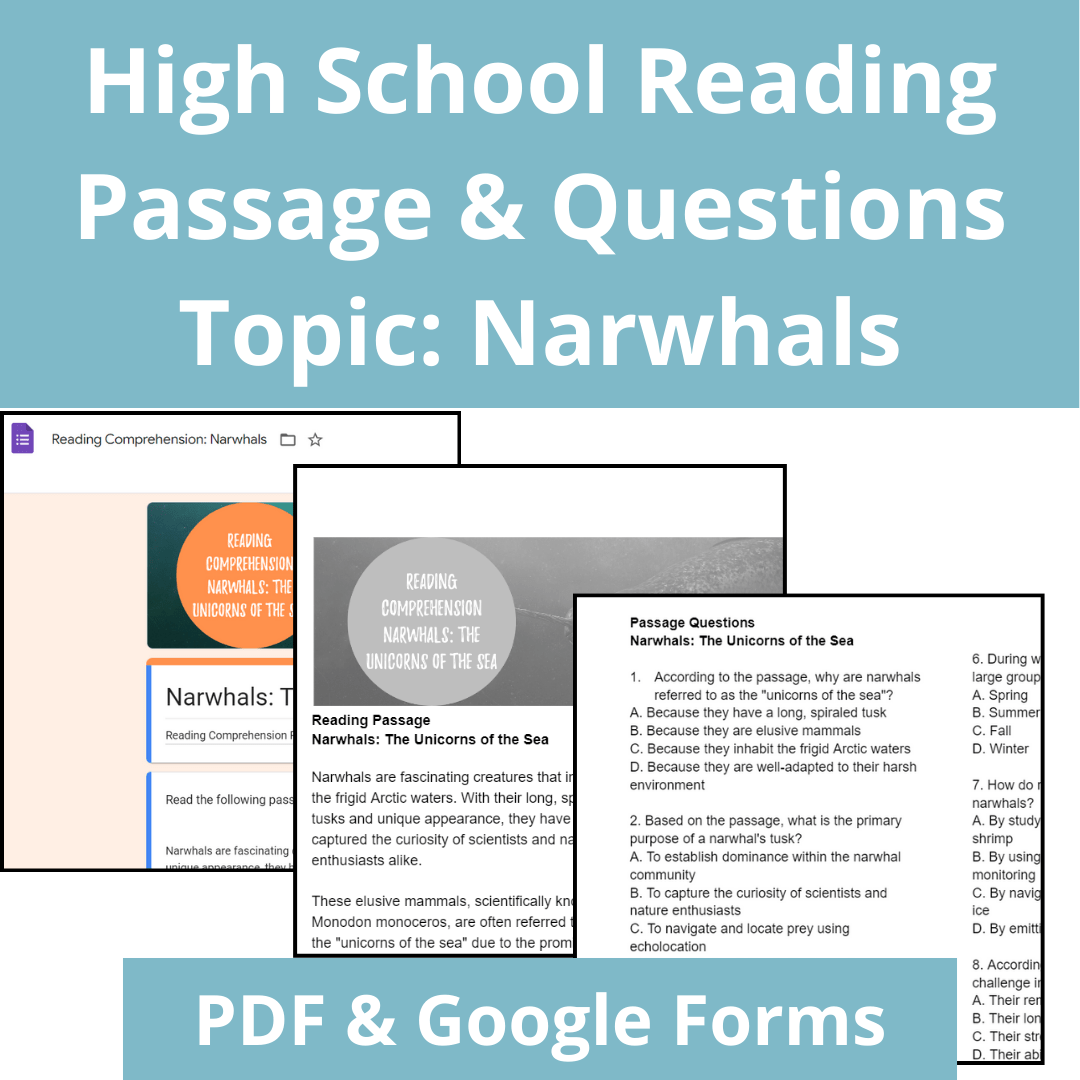
High school English teachers juggle various roles, including preparing students for standardized tests like ACT and SAT while fostering critical thinking. Strategies include aligning curriculum with test content, integrating test-specific practice, focusing on reading comprehension and writing skills, fostering critical thinking, and creating a supportive learning environment. These efforts aim to equip students for success beyond tests.
 KatieMacTeach